Aerobic Spray Systems
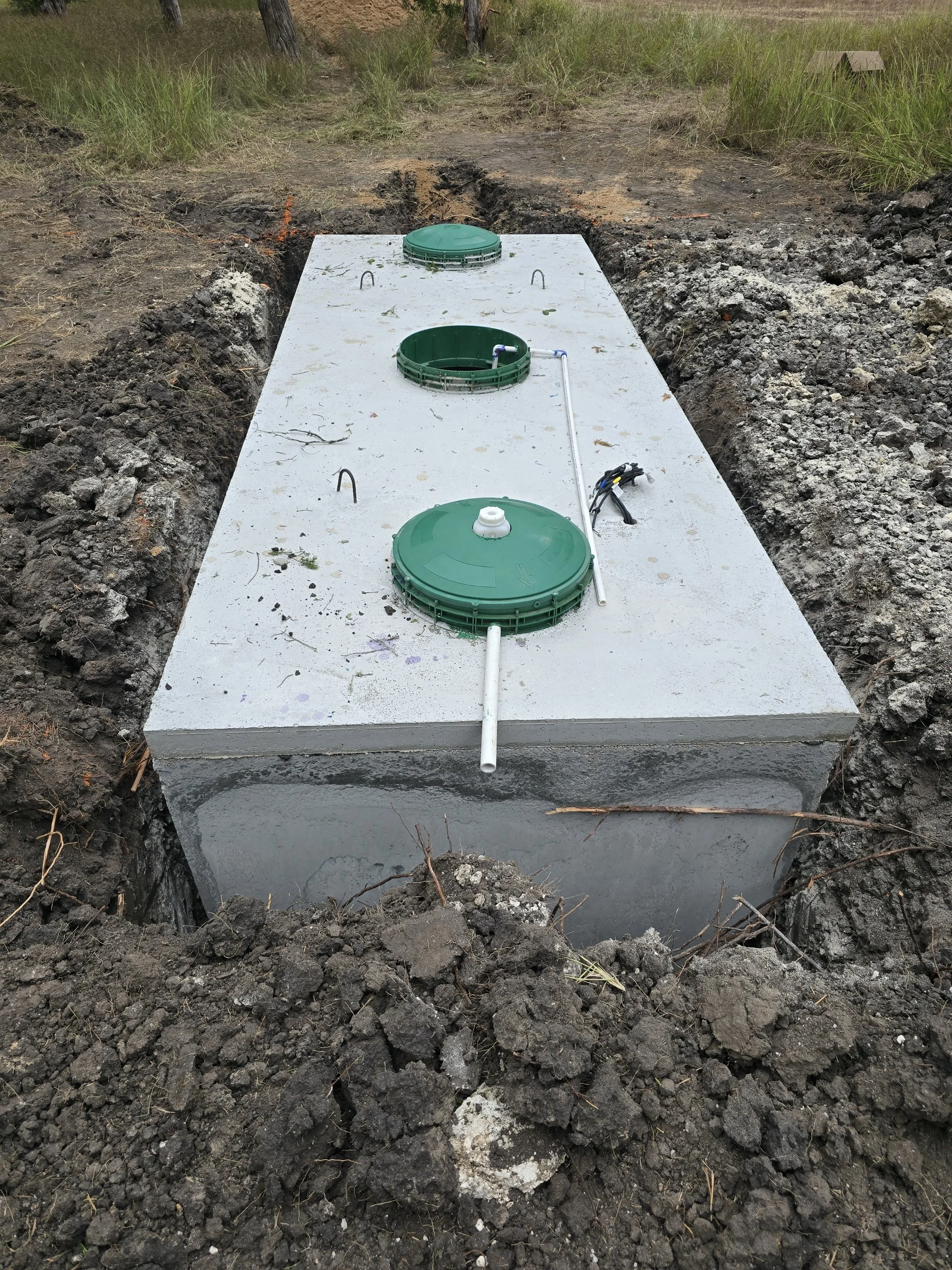
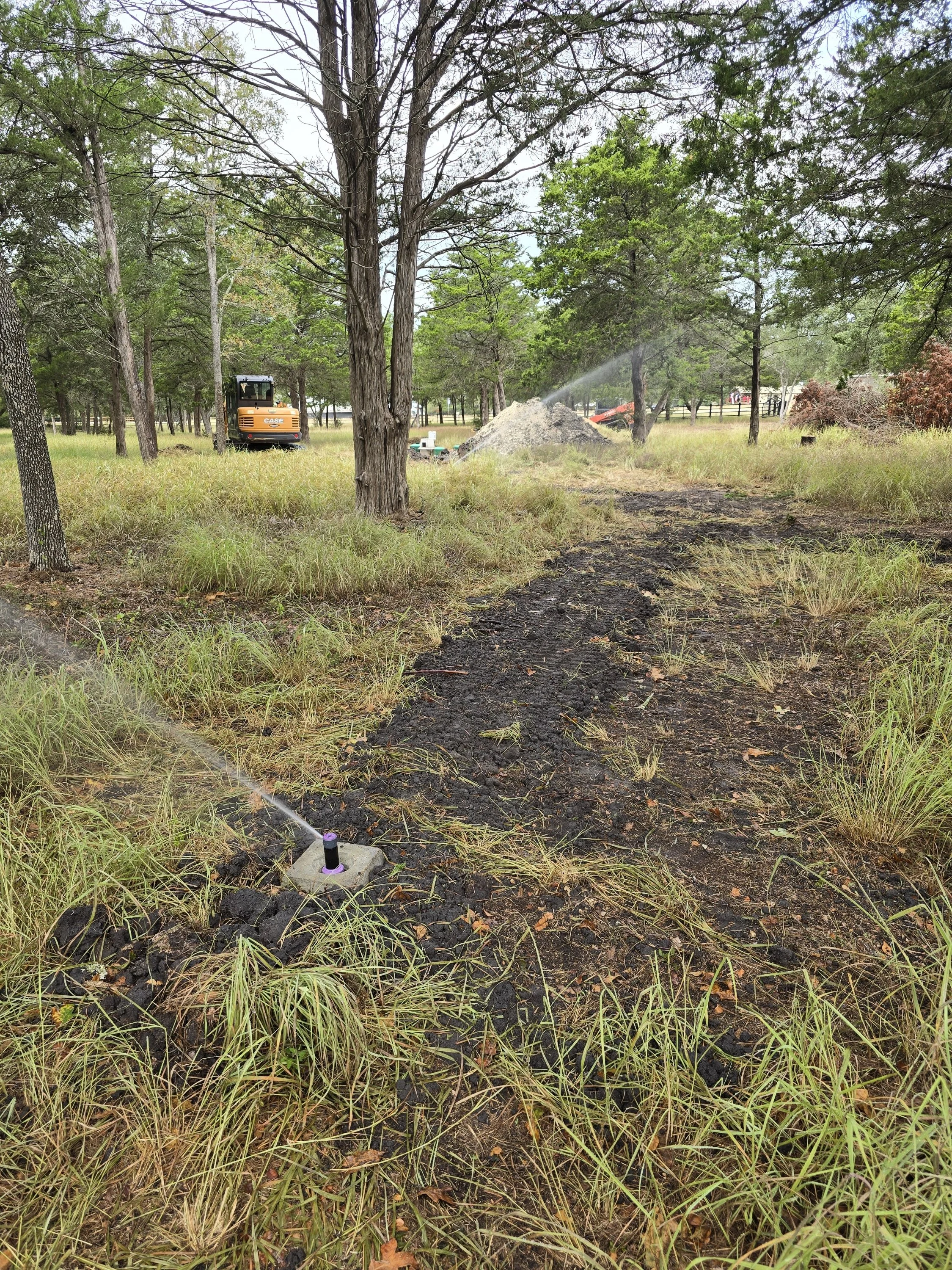
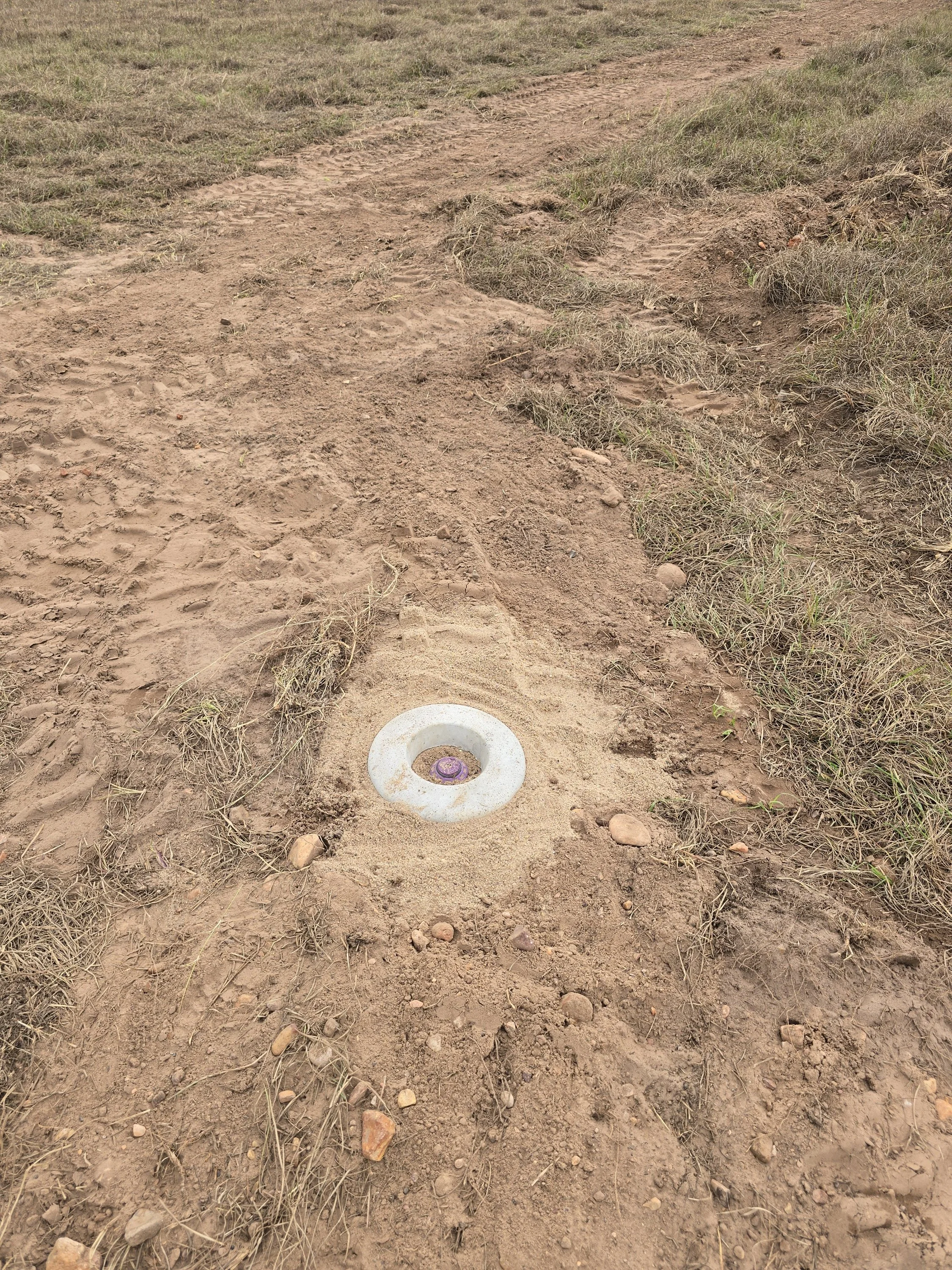
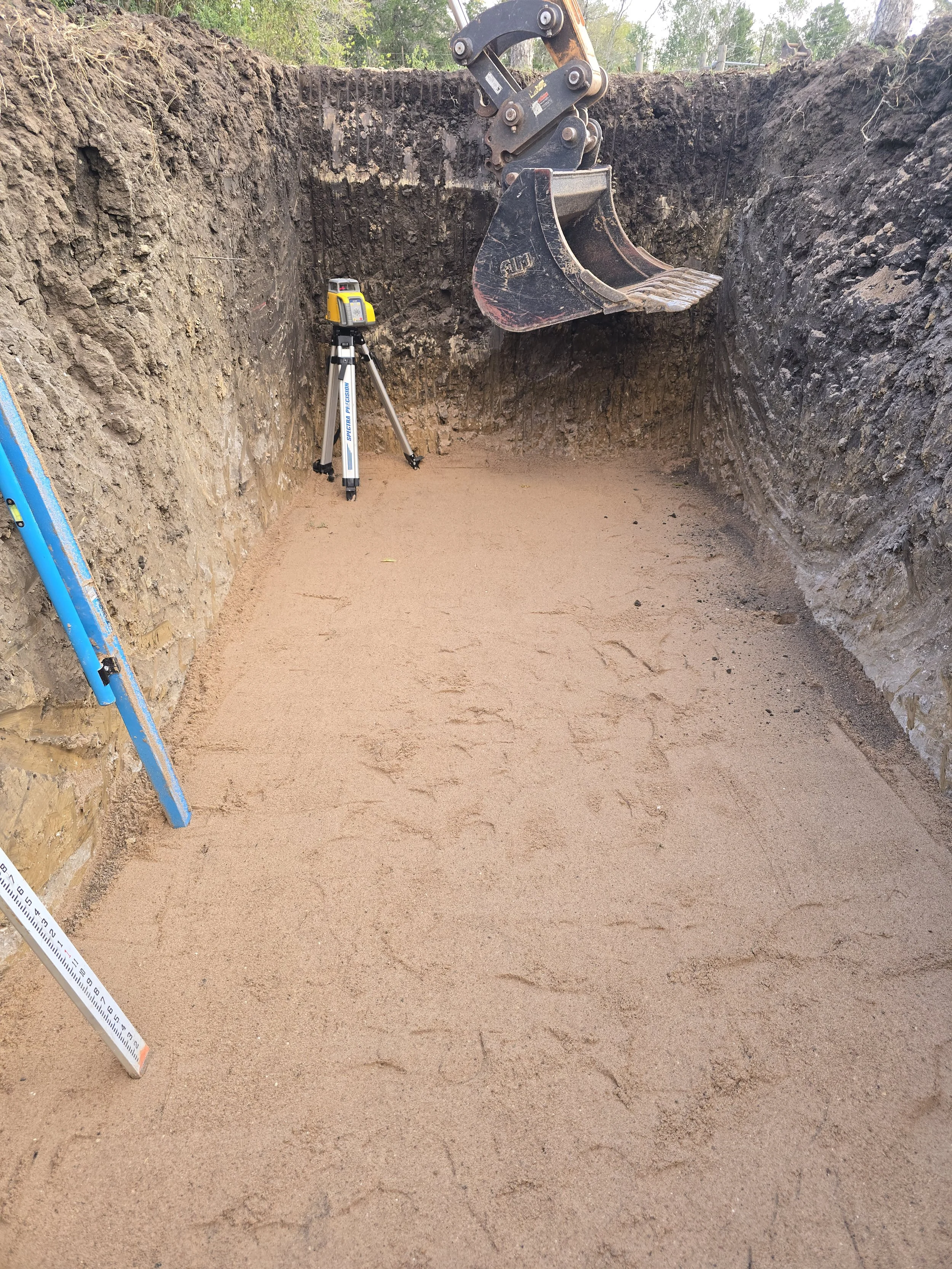
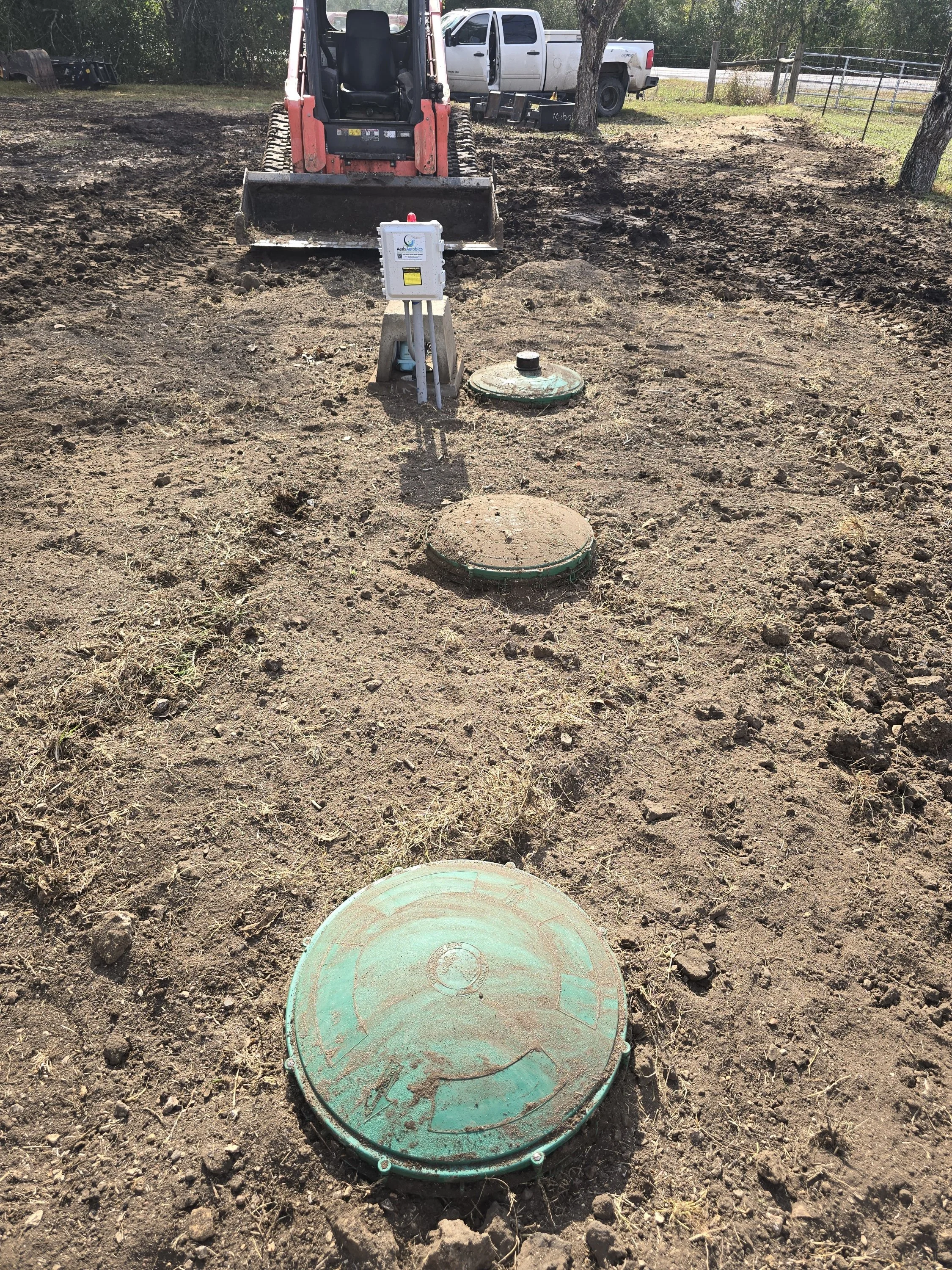
The most common system around Fayette and surrounding counties. Aerobic spray systems utilizes an air compressor to introduce oxygen into a digester which in turn grows bacteria that is more efficient in the treatment of waste water. The effluent then goes through a clarifier that separates suspended solids before going into the pump chamber where it is disinfected and pumped to the spray heads. Maintenance contracts and disinfectant are required for these systems.
Drip Irrigation Systems
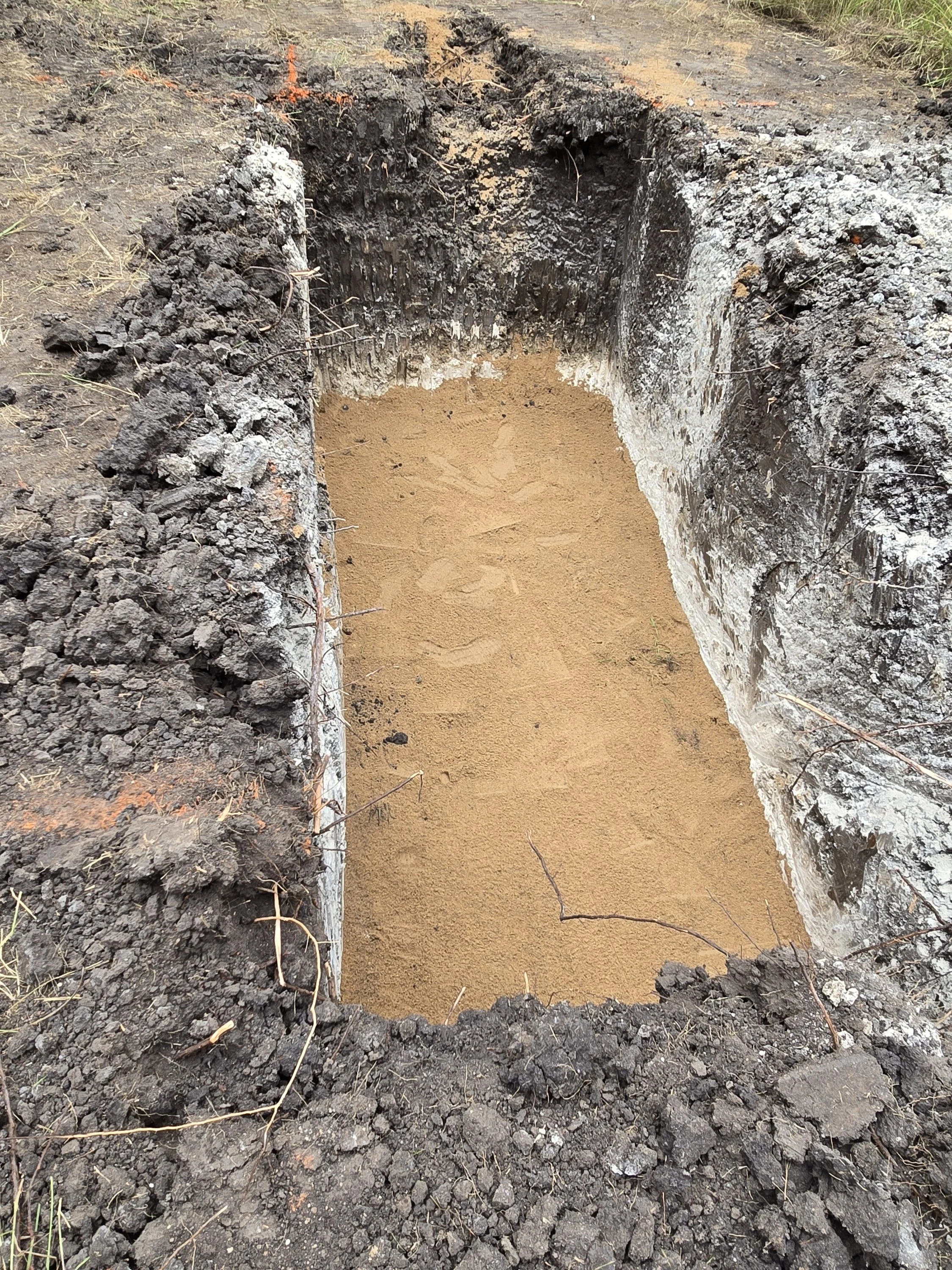
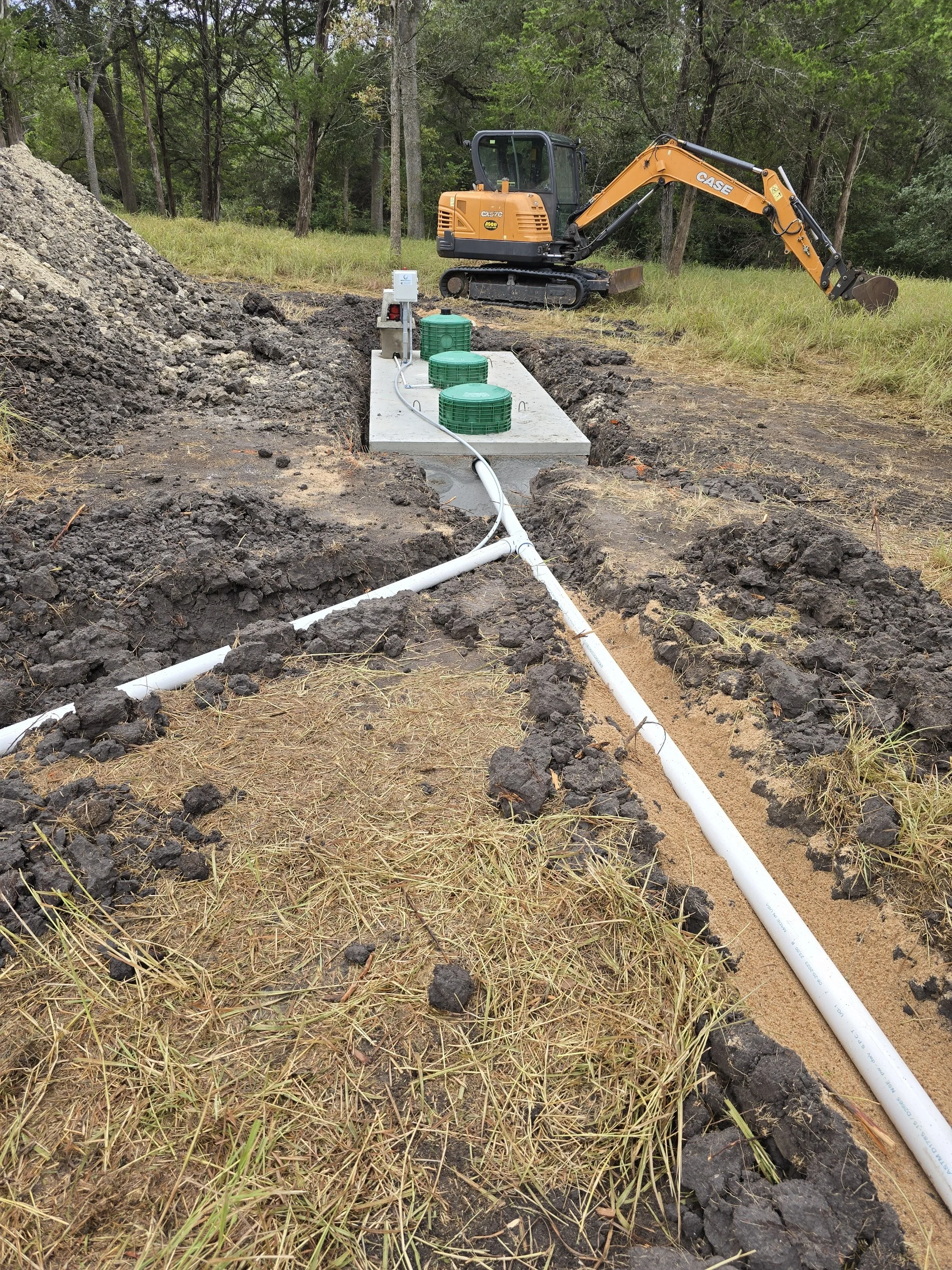
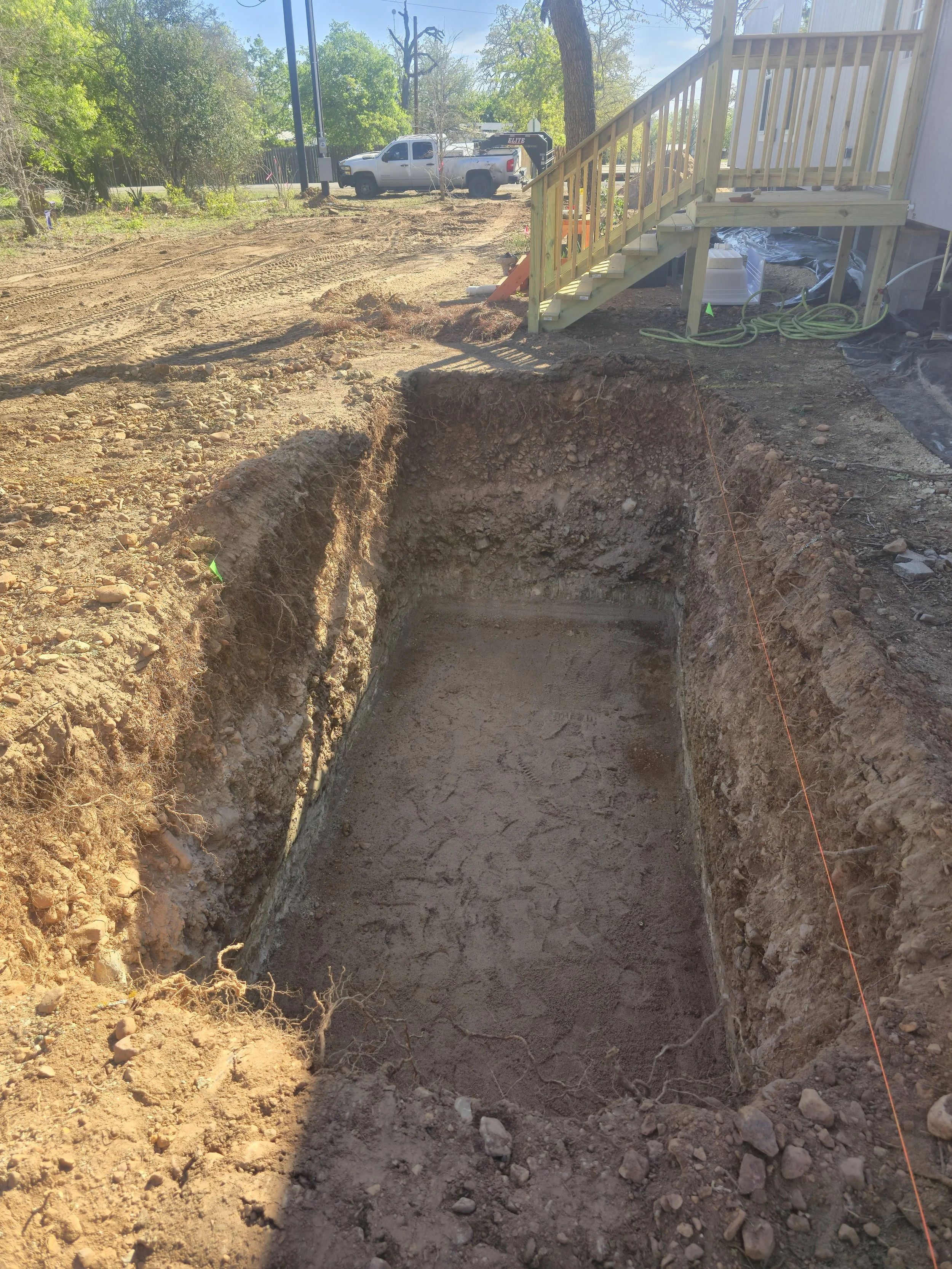
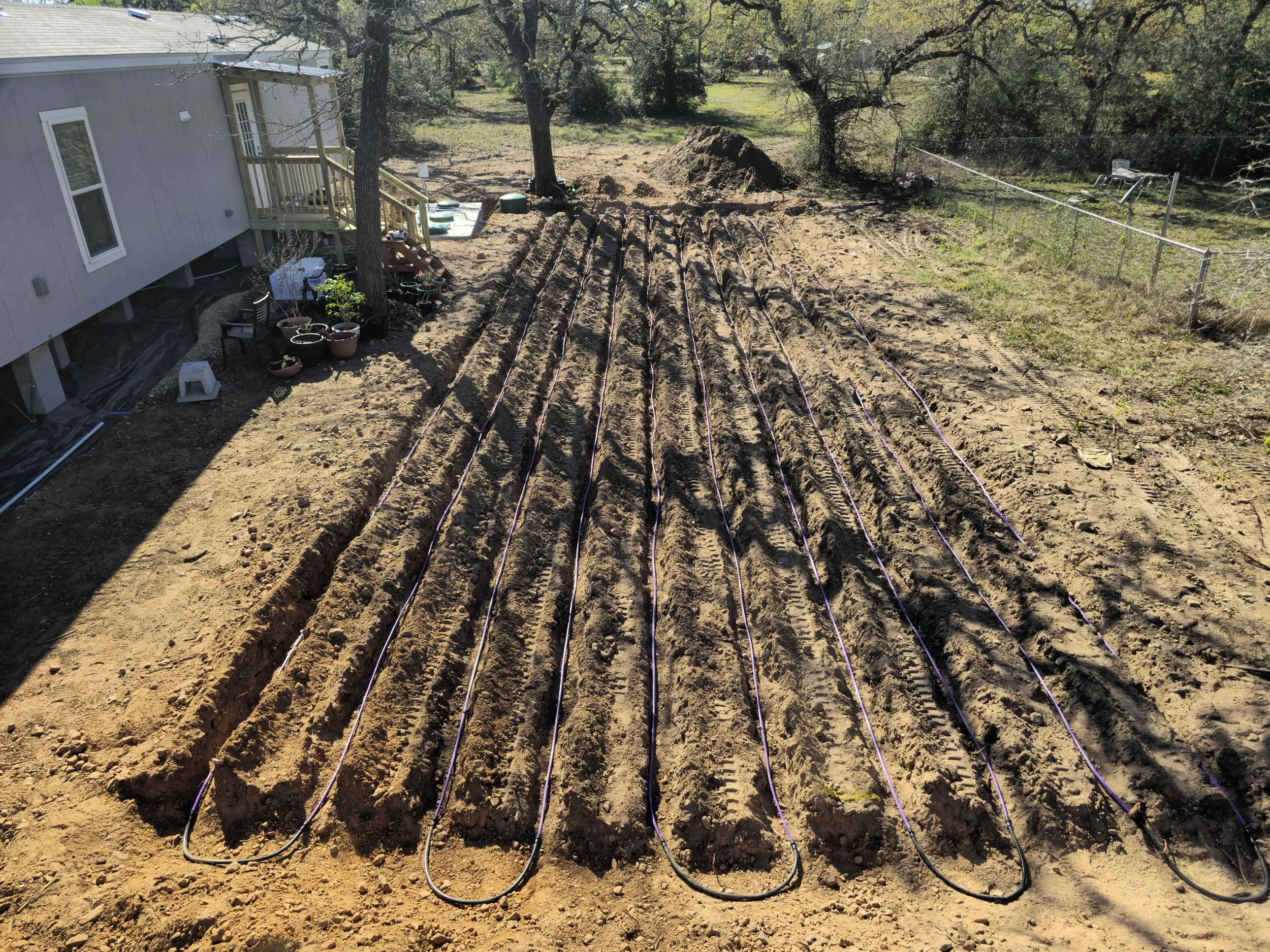
Drip Irrigation uses small diameter drip tubing to distribute filtered effluent 6”-10” below the surface of the soil. It takes up a smaller foot print than other systems making it a great choice for smaller lots or lots on difficult terrain where bedrock or water tables exclude other systems. Maintenance contracts are required.
Low Pressure Dosing
(LPD)
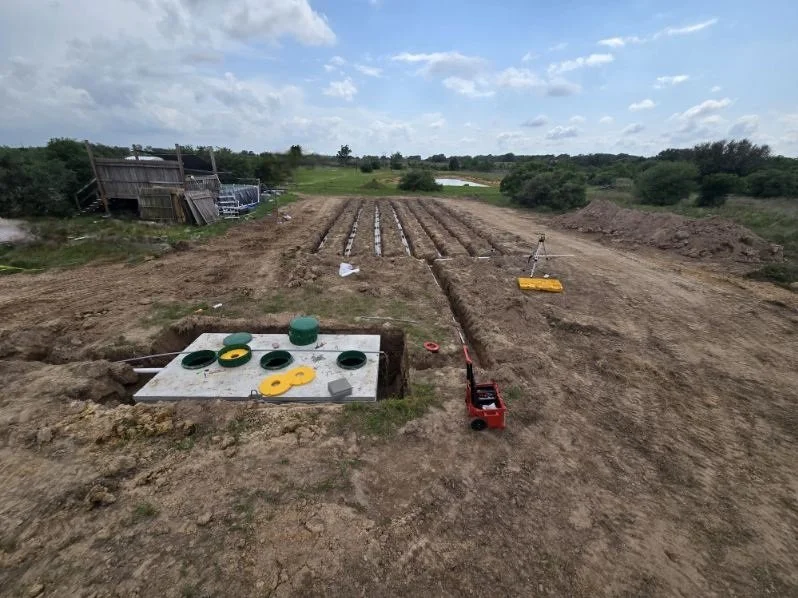
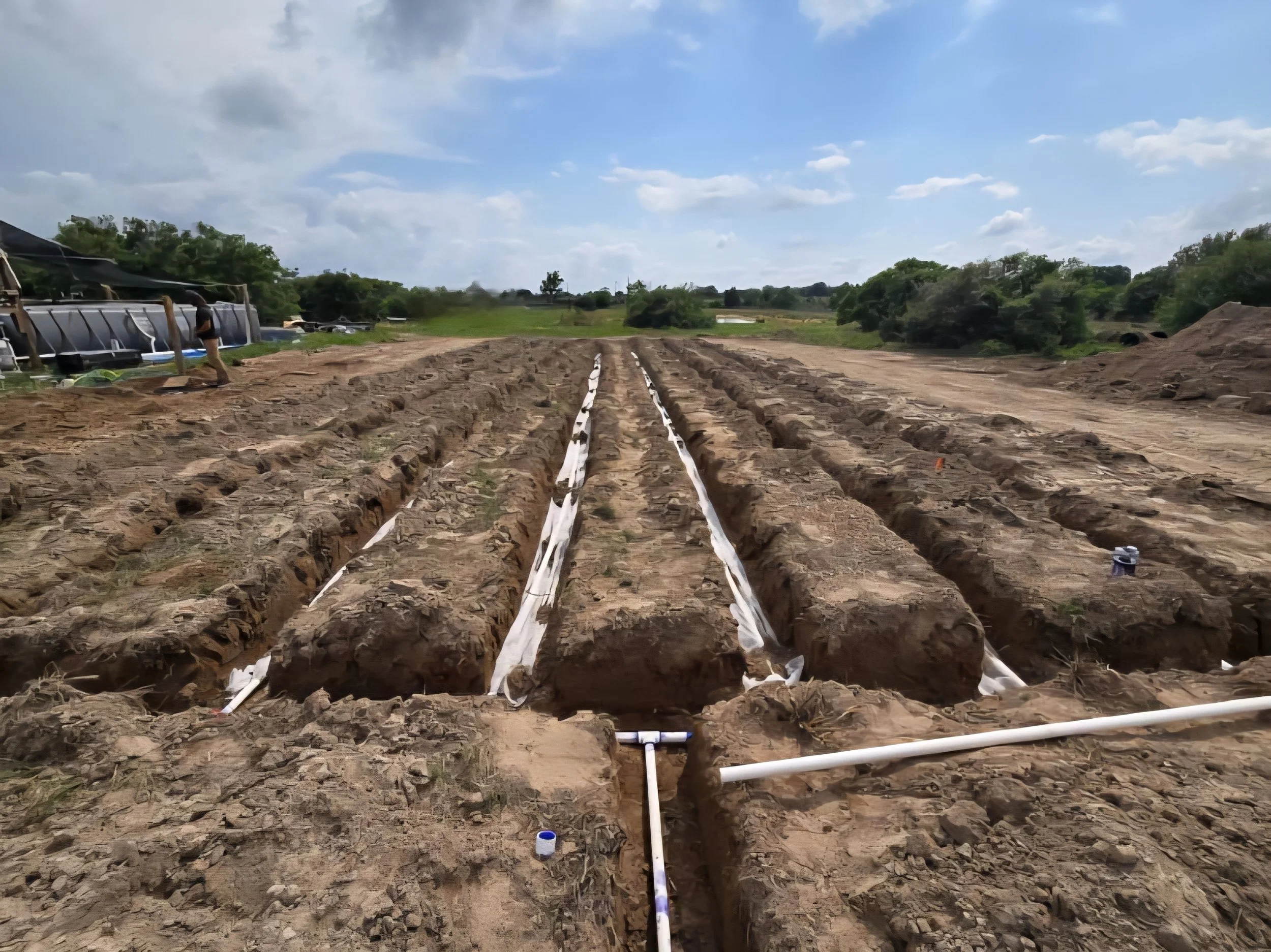
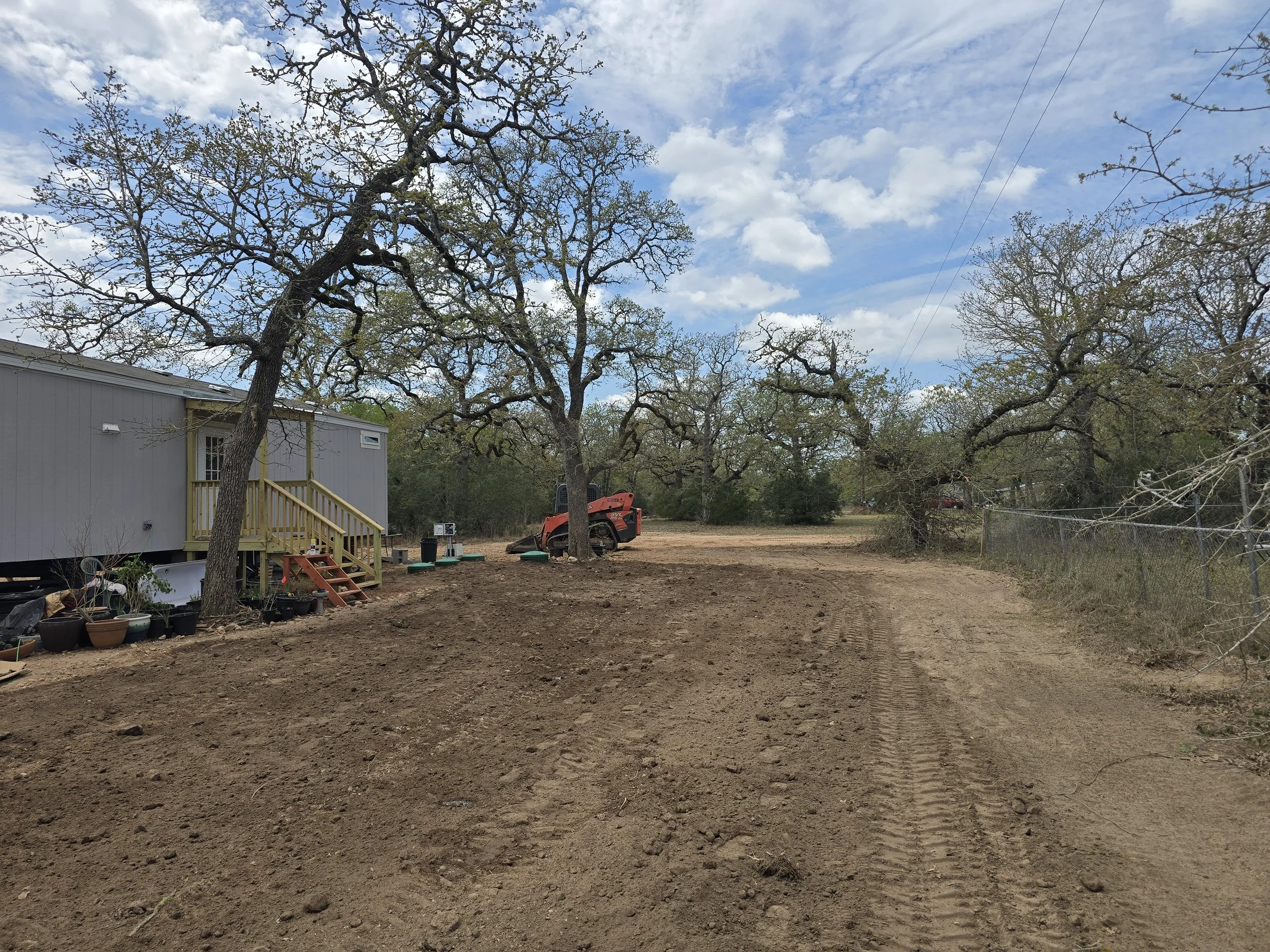
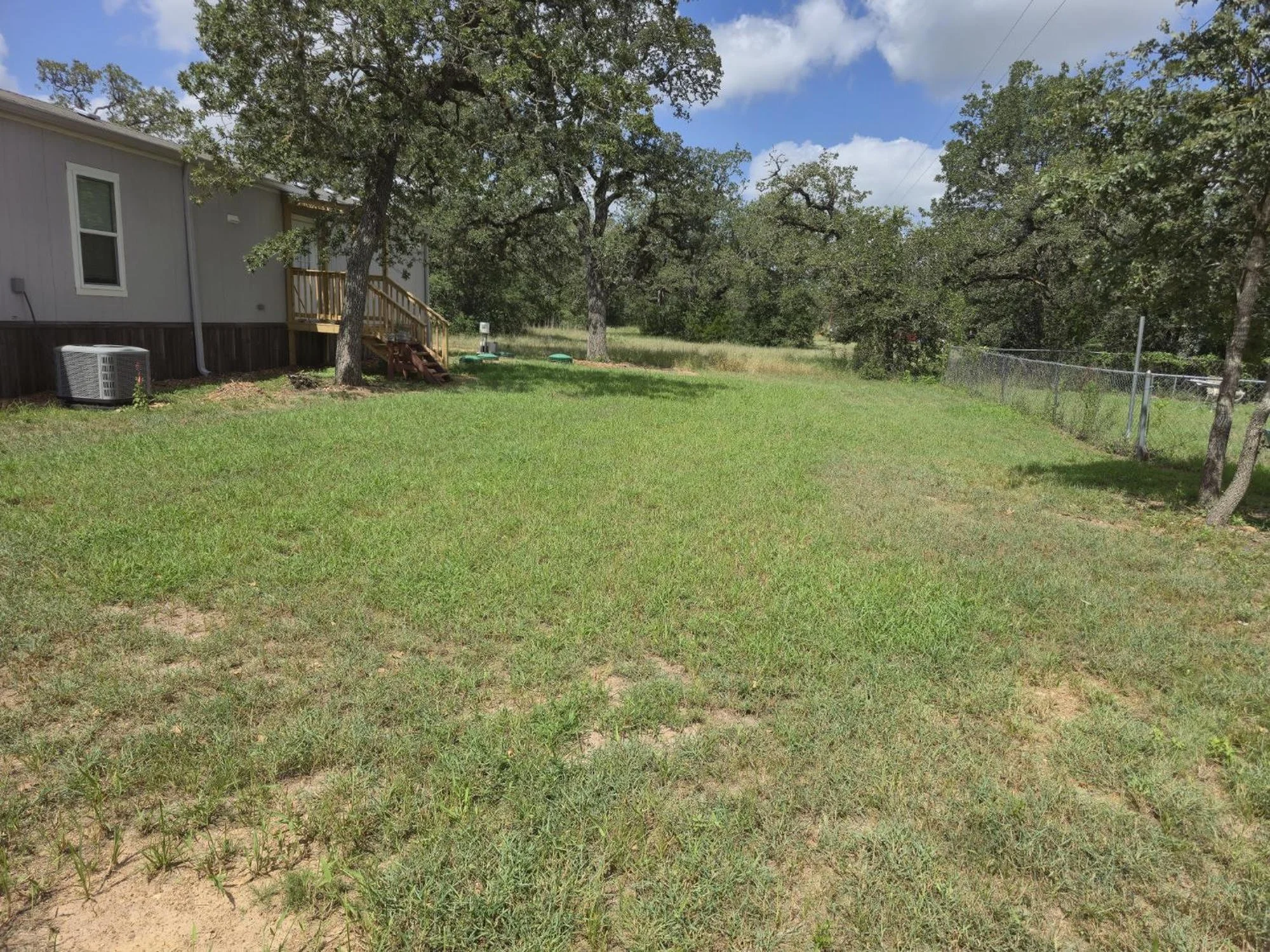
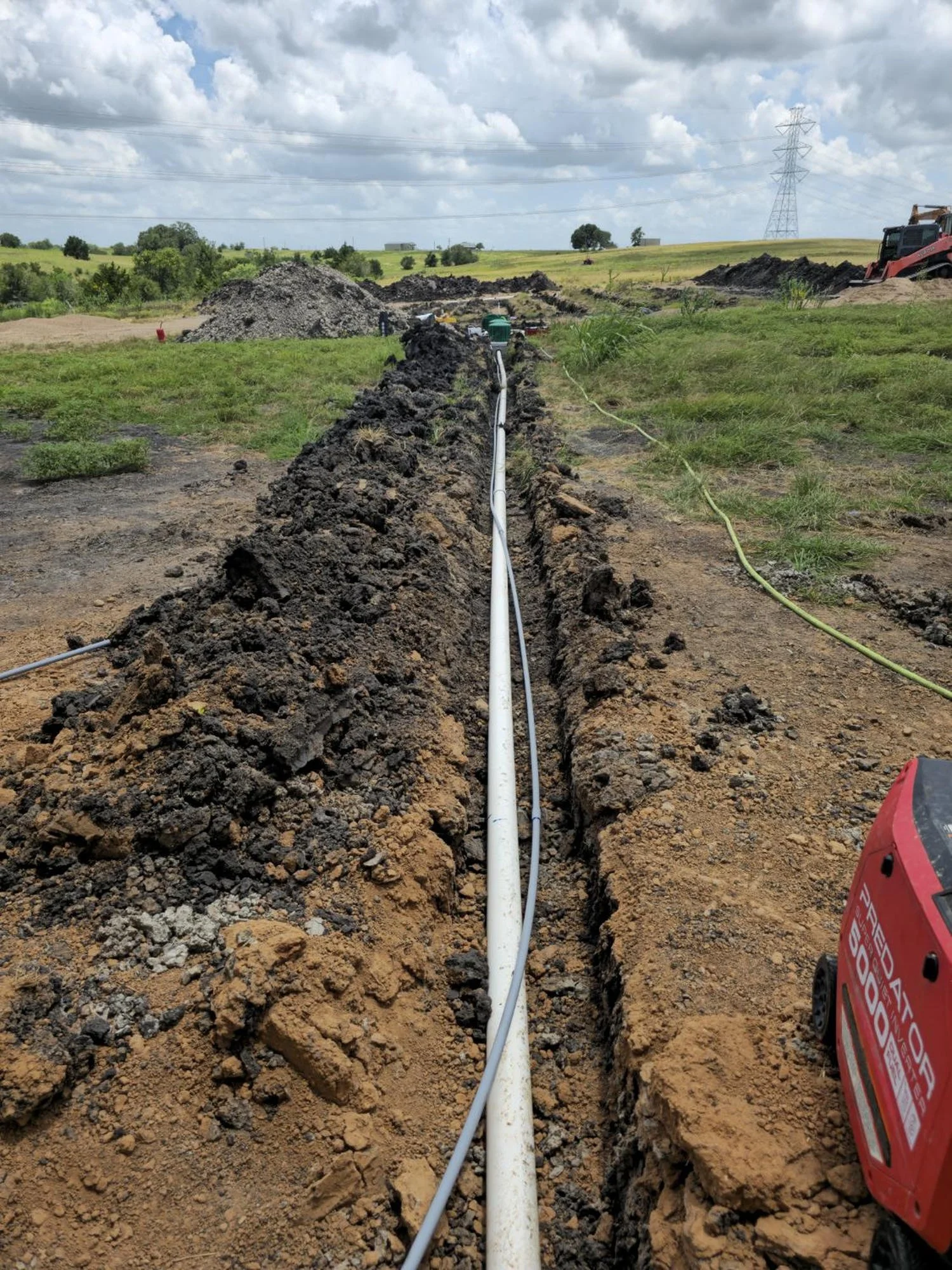
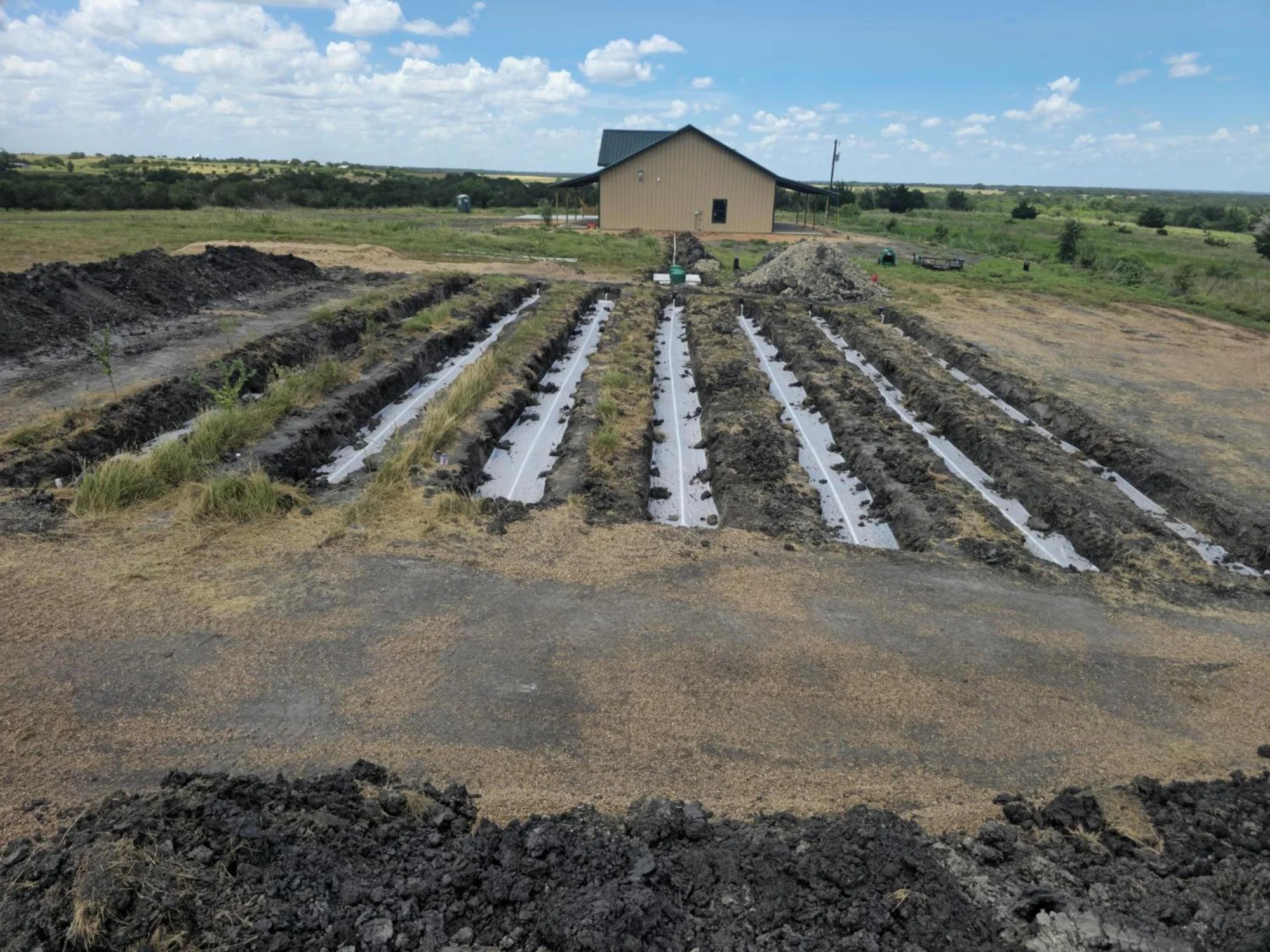
Low Pressure Dosing (LPD) are reliable systems that use a pump to distribute low pressure effluent evenly throughout your entire disposal area. LPD’s are a great choice for homeowners who want to stay away from disinfectants and maintenance contracts with land in clay soils. these systems do not require maintenance contracts or disinfectants.
Absorptive Drain Field Conventional and Leaching Chambers
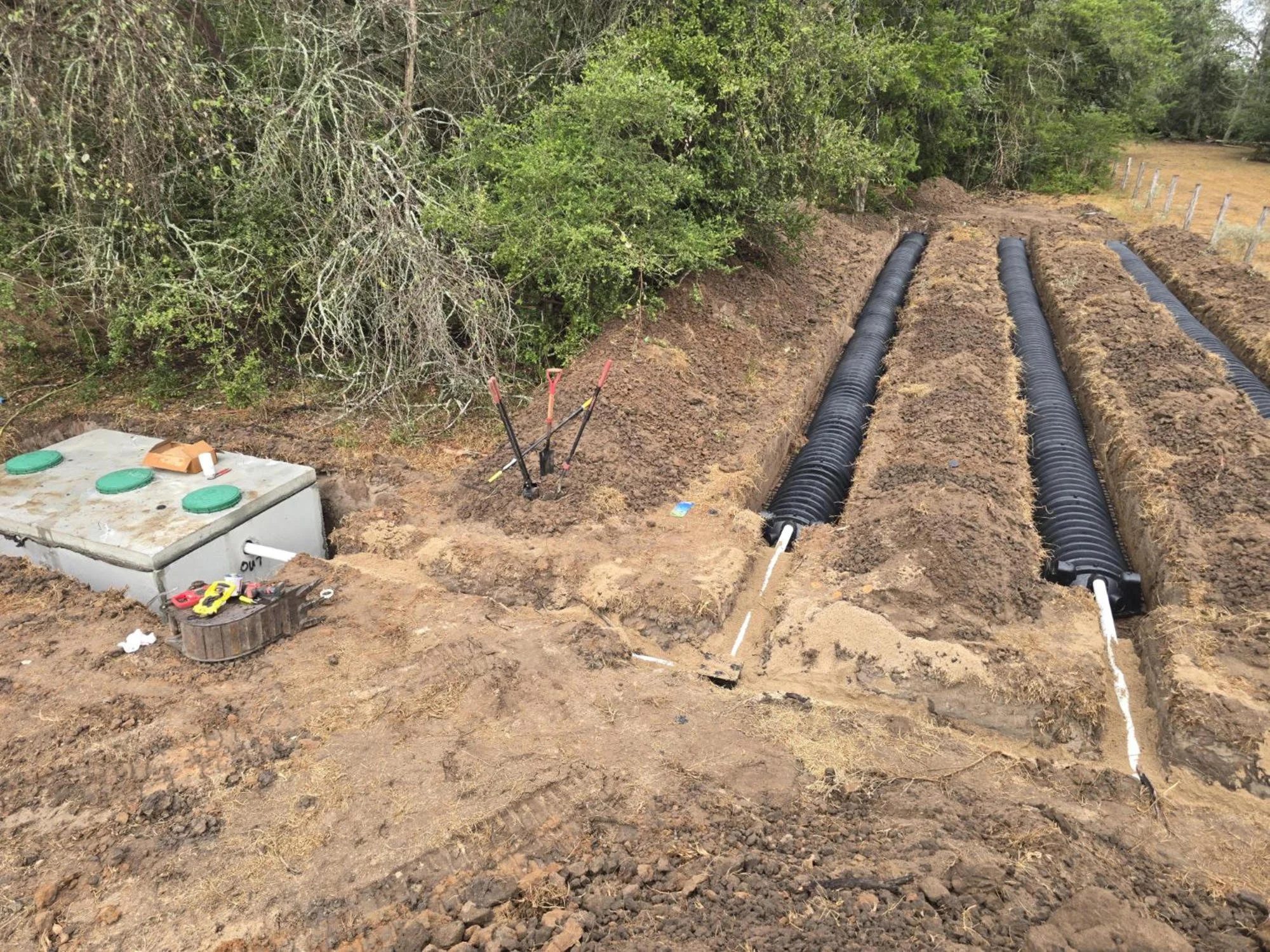
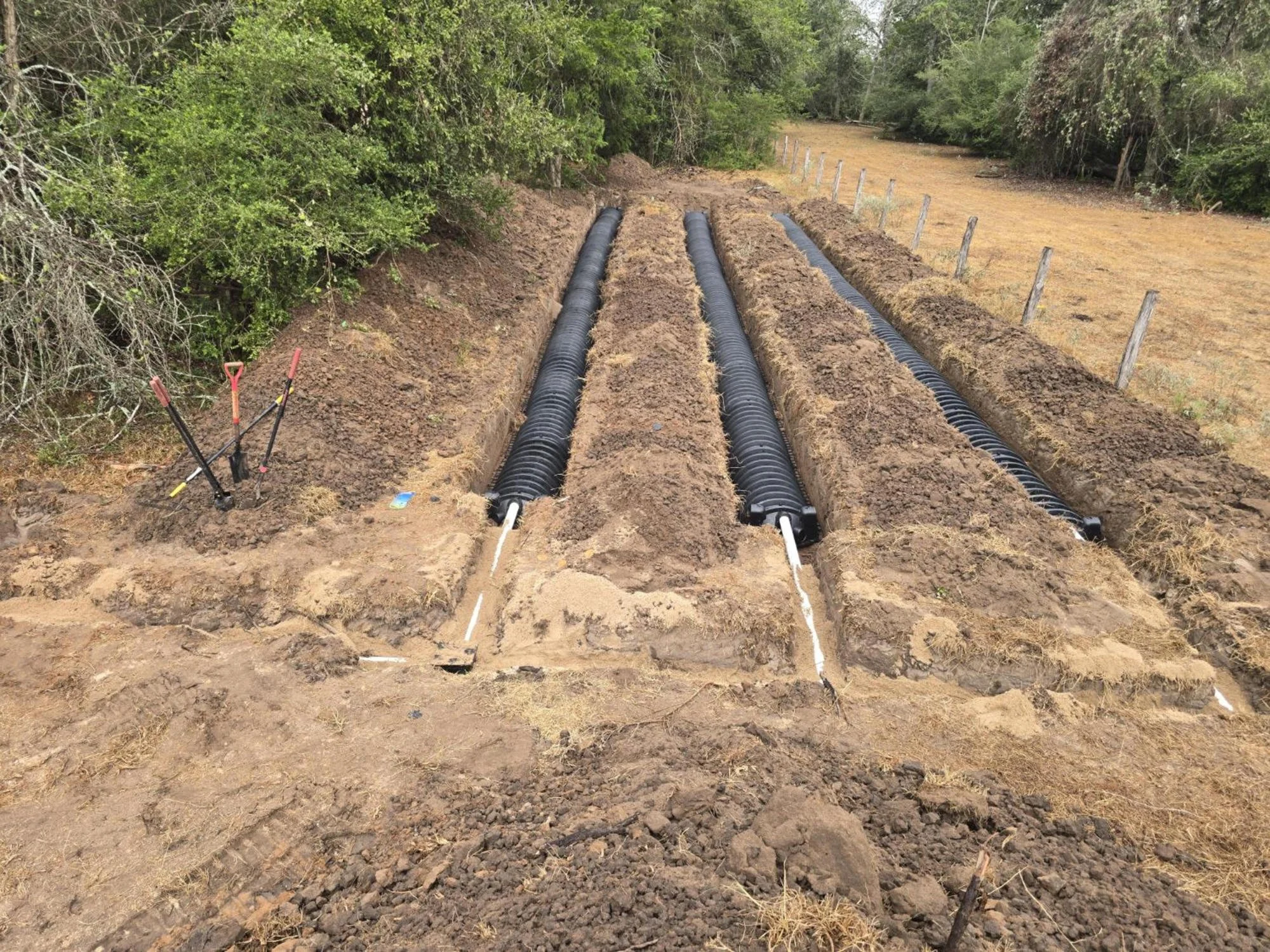
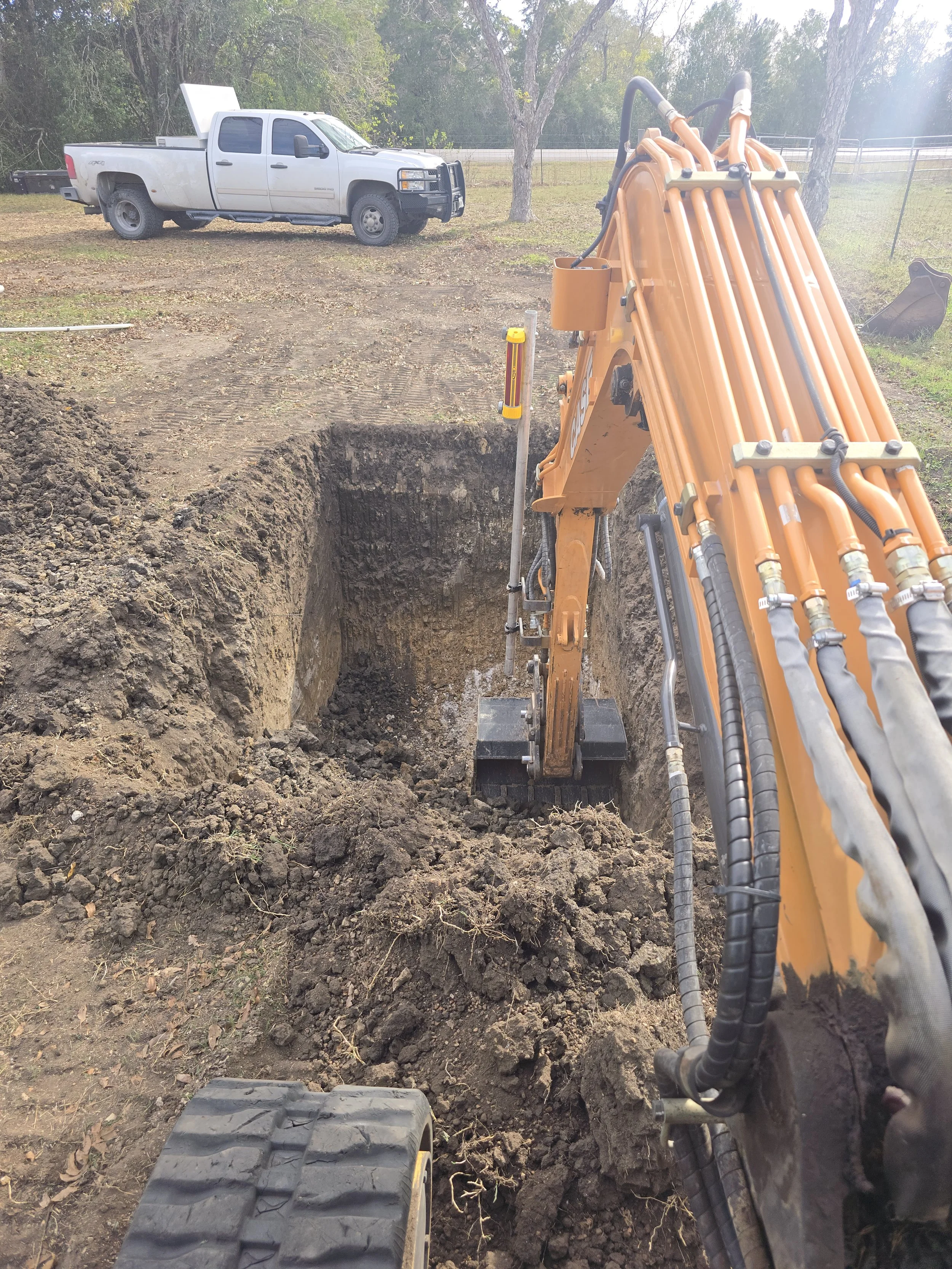
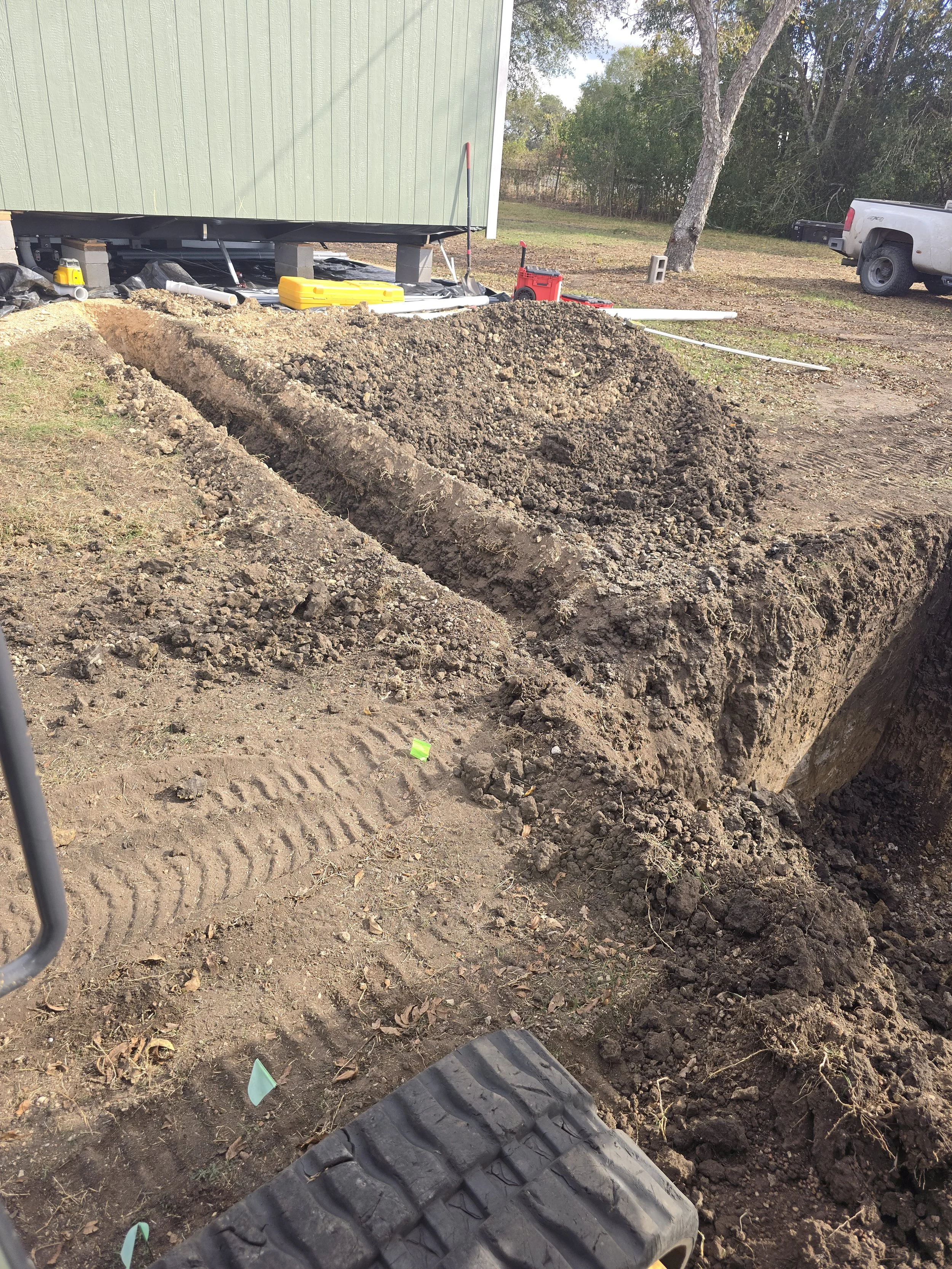
Absorptive drain fields also known as conventional systems are the simplest system to install. This system consists of a compartment tank separating solid from liquid effluent. Gravity then distributes the effluent through the drain field which consists of perforated pipes on a bed of gravel.
Leaching chambers are a more cost effective way to do a conventional system. This system setup consists of the same tank and use of gravity to distribute the effluent through the disposal area but instead of perforated pipe on gravel the field lines consist of hollow chambers that sit directly on the trench bottom.
Neither system can be installed in clay or sand soils. Neither require a maintenance contract.